The Breakout Programme
A 12-week early intervention programme for education settings, supporting young people at risk of disengagement, exclusion, exploitation or harmful choices.
Support young people before patterns take hold
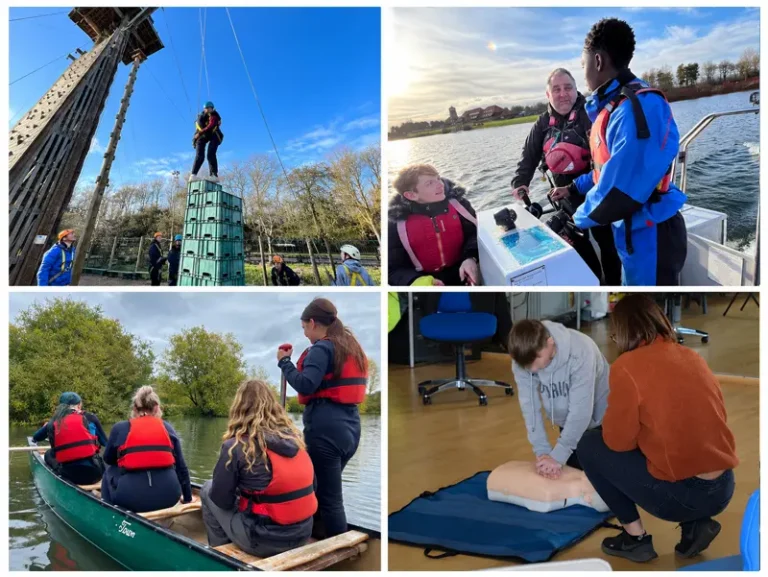
The Breakout Programme combines weekly half-day sessions, one-to-one mentoring, classroom learning and outdoor education to help young people:
- build confidence, self-belief and motivation;
- develop emotional regulation and resilience;
- understand risk, consequences and personal responsibility;
- make safer, more considered choices;
- strengthen teamwork, communication and leadership skills; and
- learn practical, life-saving skills through street first aid.
Each session builds on the last, giving young people the skills, confidence and support to shape a more positive future.
The programme is delivered over 12 weeks to groups of up to 10 young people and can be adapted to meet the needs of your setting.
Let’s talk about your young people
Tell us:
- who the young people you support are
- what challenges they’re facing
- what you’d like the programme to achieve
We will talk you through the delivery options, costs, potential bursaries, and next steps.
What might you be seeing?
The Breakout Programme provides early support before concerning behaviours or patterns become more established.
Teachers and pastoral teams may be seeing:

Increasing disengagement
A young person who is losing interest in learning, regularly missing lessons or becoming disconnected from school.
Changes in attendance
Growing levels of absence, lateness, truancy or reluctance to attend school.

Challenging behaviour
More frequent disruption, conflict, defiance or difficulty managing emotions and responding to boundaries..

Low self-belief
A young person who has stopped believing in their abilities or feels that positive opportunities are not open to them.

Negative peer influence
Changes in friendship groups, pressure from others or behaviour that appears driven by a need to fit in.
Growing vulnerability
Signs that a young person may be at risk of exploitation, gangs, county lines, substance misuse or other harmful influences.
Risky behaviour
Decisions that could place the young person or others at risk, including anti-social behaviour or contact with the police.

Ignoring consequences
A young person who struggles to connect their choices with the impact on their education, relationships and future.
A young person does not need to display all these signs to benefit. Breakout is designed to provide early, constructive support without labelling or defining them by their behaviour.
The impact on young people
Chloe*, a 15-year-old involved in several incidents of physical altercations with peers.
She showed signs of aggression and expressed a lack of interest in her education and participating in school activities and classes.
Chloe’s school identified her as a young person at risk and enrolled her in the Breakout Programme to address her behavioural challenges.
* Name changed to protect identity.
“We were delighted with the turnaround from Jonny* who was on the edge of exclusion, with really challenging, disruptive behaviour.
He would have ended up in a Pupil Referral Unit but he is now more settled in class with less frequent outbursts.”
“Before The Breakout Programme, I wouldn’t always talk to people or open up about things.
The programme has helped me with my communication and made me more willing to speak to staff and other people. I’ve learned that you never really know what someone else is going through, and it’s helped me think differently about myself and others. It’s been fun as well – you get to try new things and meet people you wouldn’t normally spend time with.”
Breakout Programme participant
How The Breakout Programme works
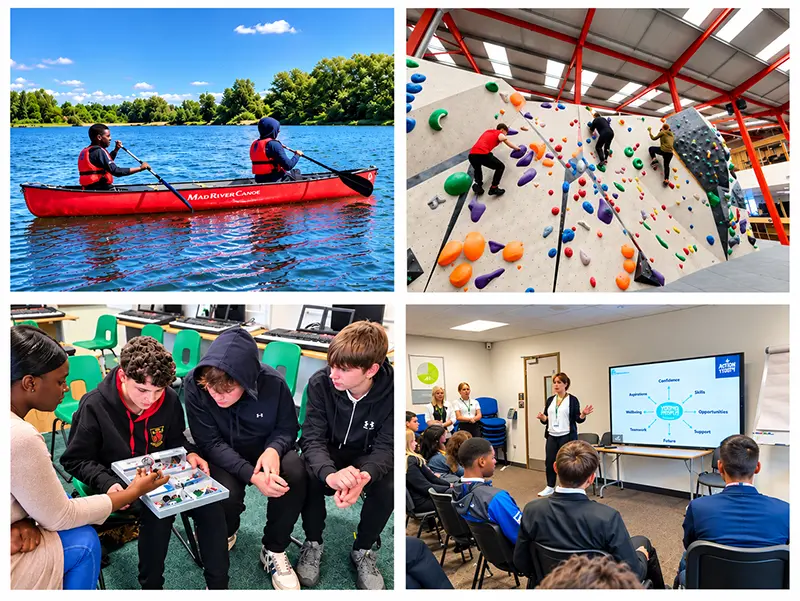
Breakout is delivered through weekly half-day sessions over 12 weeks, combining three complementary forms of support.
One-to-one mentoring
Ongoing mentoring helps each young person build a trusted relationship, reflect on their behaviour and recognise their strengths and potential.
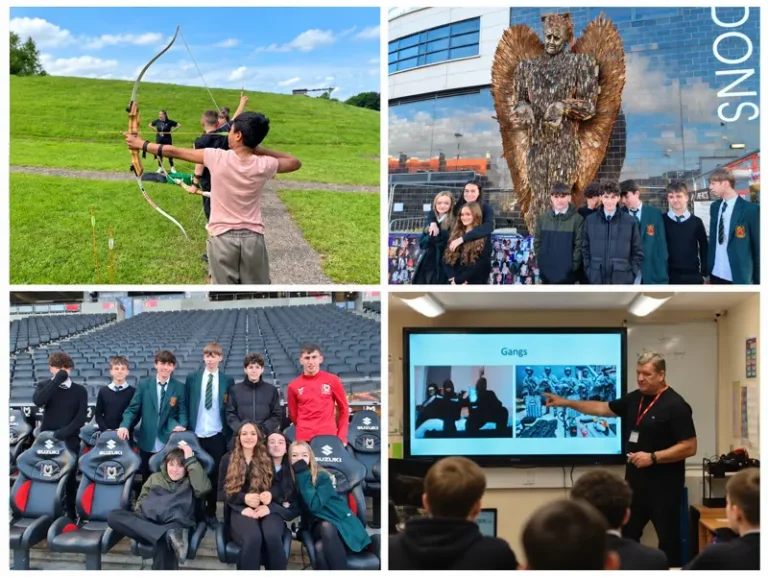
Classroom learning
Structured sessions give young people opportunities to explore risk, consequences and the choices they face in a safe and supportive environment.
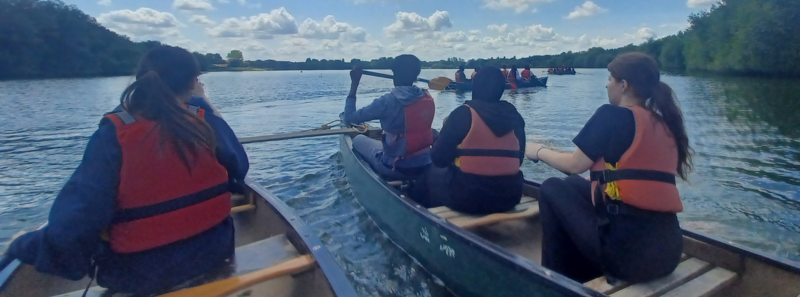
Outdoor education
Practical challenges help young people try new things, work with others, develop resilience and discover what they can achieve.
Progress is reviewed throughout the programme using Outcomes Star, helping young people and their education setting recognise changes and identify where further support may be needed.
Sessions cover
Personal goals, county lines, drug and alcohol awareness, street first aid, teamwork, leadership, emotional resilience and self-belief.
The programme also draws on lived experience to help young people understand how the decisions they make now can affect their future.
Get in Touch
Tell us a little about your pupils or what support you’re looking for, and we’ll get back to you to talk through whether The Breakout Programme could be a good fit.
Breakout: P
Breakout Programme
Where We Deliver The Breakout Programme
Action4Youth delivers The Breakout Programme to secondary schools and education settings across:
- Buckinghamshire
- Milton Keynes
- Slough
- Windsor
- Maidenhead
- Reading
- Hertfordshire
- Bedfordshire
- Oxfordshire
- Northamptonshire
Who can I speak to?
Contact Davie Johns at davie.johns@action4youth.org or call 0300 003 2334.
How much does it cost?
Delivery options and costs depend on your setting and the young people involved. We'll go through these with you, including any bursaries that may be available, during your initial conversation.
How do we refer a young person?
There's no formal referral form. Simply book a 30-minute conversation with us using the form on this page. We'll talk about your young people's needs, the challenges they're facing and what you'd like the programme to achieve.
How do you measure progress?
We track each young person's progress using the Outcomes Star, so schools can see how confidence, behaviour and attitudes change over the 12 weeks.
What do young people do on the programme?
Each programme combines three strands: one-to-one mentoring, classroom learning and outdoor education. Sessions cover personal goals, county lines, drug and alcohol awareness, teamwork, leadership, emotional resilience and self-belief. Young people also complete street first aid training.
Who is it for?
Young people who are starting to show early warning signs, such as disengaging from learning, changes in attendance, challenging behaviour, falling confidence or aspirations, negative peer influence, growing vulnerability, risk-taking, or difficulty recognising the consequences of their actions.