
Breakout: Positive Pathways
A 12-week early intervention programme for primary schools, helping pupils in Years 5 and 6 develop emotional regulation, confidence and the skills to make positive choices.
Build positive foundations before difficulties become established
Breakout: Positive Pathways provides age-appropriate early support for pupils who would benefit from additional help with their emotional, social and personal development.
The programme helps pupils to:
- recognise, understand and communicate their emotions;
- develop strategies for managing strong feelings;
- build confidence, resilience and self-belief;
- improve communication and relationships;
- understand choices, consequences and personal responsibility;
- strengthen teamwork and problem-solving skills; and
- feel better prepared for the transition to secondary school.
Each session builds on the last, giving pupils time to develop trust, practice new strategies and recognise their progress. The programme is delivered through weekly three-hour sessions over a full school term and can be adapted to meet the needs of your pupils.
Bring Breakout: Positive Pathways to your school
Tell us:
- who the young people you support are
- what challenges they’re facing
- what you’d like the programme to achieve
We will talk you through the delivery options, costs, potential bursaries, and next steps.
What might you be seeing?
Breakout: Positive Pathways provides early support before difficulties become more established or begin to affect a pupil’s education, relationships and wellbeing. Teachers and pastoral teams may be seeing:

Difficulty regulating emotions
A pupil who becomes overwhelmed, angry or upset quickly and finds it difficult to calm down or communicate what they are feeling.

Low confidence
A pupil who doubts their abilities, avoids taking part or gives up when something feels difficult.

Friendship difficulties
Someone who struggles to build positive relationships, resolve disagreements or understand another person’s point of view.

Challenging behaviour
Increasing disruption, conflict, impulsive behaviour or difficulty responding to boundaries and instructions.

Withdrawal or disengagement
A pupil who has become quieter, less involved in learning or reluctant to engage with adults and classmates.
Difficulty coping with change
Someone who finds changes to routines, unfamiliar situations or the prospect of moving to secondary school particularly challenging.

Growing vulnerability
A pupil who may be influenced by older children, difficult circumstances or experiences within their community.

Not recognising consequences
Someone who needs support to understand how their choices and behaviour affect themselves and the people around them.
A pupil does not need to display all these signs to benefit. Breakout: Positive Pathways provides constructive, age-appropriate support without labelling or defining pupils by their behaviour.
How Breakout: Positive Pathways works
Breakout: Positive Pathways is delivered through weekly three-hour sessions over 12 weeks, combining three complementary forms of support.
Trusted adult support
Consistent support helps pupils build a trusted relationship, communicate how they are feeling and recognise their strengths and progress.
Structured learning
Age-appropriate sessions help pupils understand their emotions, explore choices and consequences, develop positive relationships and prepare for the move to secondary school.
Outdoor Education
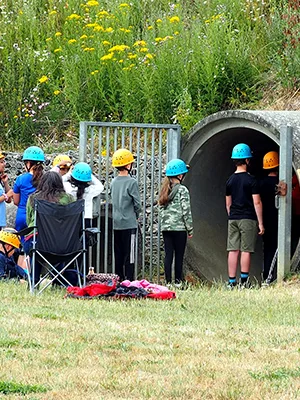
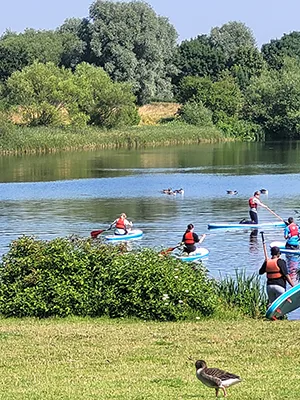
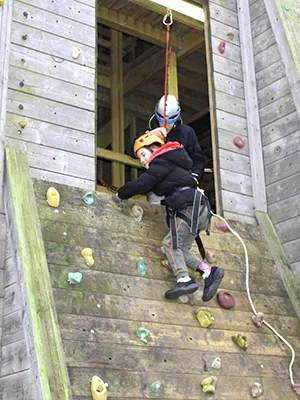
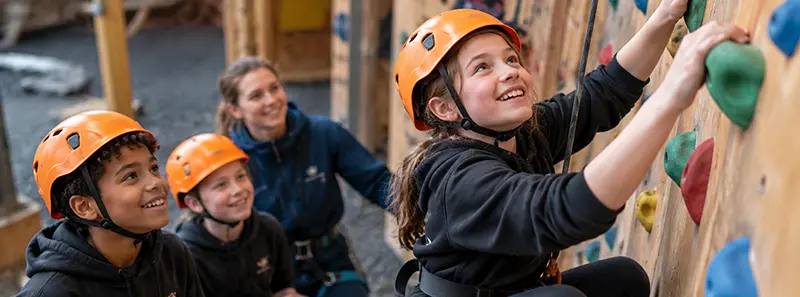
Shared challenges give pupils opportunities to practise communication, teamwork, emotional regulation and problem-solving in a safe and supportive environment.
Progress is reviewed throughout the programme using Outcomes Star, helping pupils and their school recognise positive changes and identify where further support may be needed.
Sessions cover
Recognising and communicating emotions, confidence and self-belief, positive friendships, teamwork, problem-solving, choices and consequences, personal goals and resilience.
Activities are designed for primary-aged pupils and give them practical ways to apply what they learn at school, at home and in their relationships with others.
Book a 30-min conversation
Helping pupils understand their emotions, respond positively to challenges and feel more confident about moving to secondary school.
Breakout: Positive Pathways
Supported by Thames Valley Police and Bedfordshire Police
Where we deliver Breakout: Positive Pathways
Action4Youth delivers The Breakout Programme to secondary schools and education settings across:
- Buckinghamshire
- Milton Keynes
- Slough
- Windsor
- Maidenhead
- Reading
- Hertfordshire
- Bedfordshire
- Oxfordshire
- Northamptonshire
Who is it for?
Breakout: Positive Pathways is designed for pupils in Years 5 and 6 who would benefit from early support to understand and manage their emotions, strengthen their confidence and develop positive relationships and decision-making skills.
Primary schools identify and refer the pupils they believe would benefit most, including those who may need additional support as they prepare for the transition to secondary school.
The programme is not about labelling pupils or defining them by their behaviour. It gives them the space, structure and trusted adult support to recognise their emotions, understand their strengths and develop positive ways to respond to challenges.
Who can I speak to?
Contact Davie Johns at davie.johns@action4youth.org or call 0300 003 2334.
How much does it cost?
Delivery options and costs depend on your setting and the young people involved. We'll go through these with you, including any bursaries that may be available, during your initial conversation.
Are there any bursaries available?
We understand that budgets across education settings are under pressure. To help make the programme as accessible as possible, limited bursary funding may be available. Please contact Davie Johns to discuss your needs.
How do we refer a young person?
There's no formal referral form. Simply book a 30-minute conversation with us using the form on this page. We'll talk about your young people's needs, the challenges they're facing and what you'd like the programme to achieve.
How do you measure progress?
We track each young person's progress using the Outcomes Star, so schools can see how confidence, behaviour and attitudes change over the 12 weeks.