By Benedicta Morrow, CEO of Action4Youth
27th July 2026
Key takeaways
- Stronger communities are built through prevention, not only by responding once young people reach crisis point.
- Trusted relationships, safe spaces and a sense of belonging help young people navigate challenges and make positive choices.
- Local youth charities provide flexible support, from universal opportunities to targeted interventions, shaped around individual needs.
- Activities such as outdoor learning and youth work build deeper outcomes including confidence, resilience, independence and trust.
- Youth charities should be treated as strategic partners and supported through sustainable investment.
Strong communities are places where people feel connected, supported and able to contribute. They are places where challenges are recognised early, trusted relationships exist and people have opportunities to build a positive future. Young people are central to that.
Yet too often, conversations about stronger communities focus on what happens after problems have become visible: when a young person has disengaged from education, become involved in crime, experienced a mental health crisis or reached the point where relationships with family, school or wider society have broken down.
Responding at that stage matters. But if we are serious about building stronger communities, we must also ask what could have happened earlier.
Could that young person have had somewhere safe to go? Was there a trusted adult who noticed when something changed? Did they have opportunities to experience success, build confidence and feel that they belonged? Could the right support, provided at the right time, have helped them see a different path?
This is where local youth charities have such a vital role to play.
Prevention is built through relationships
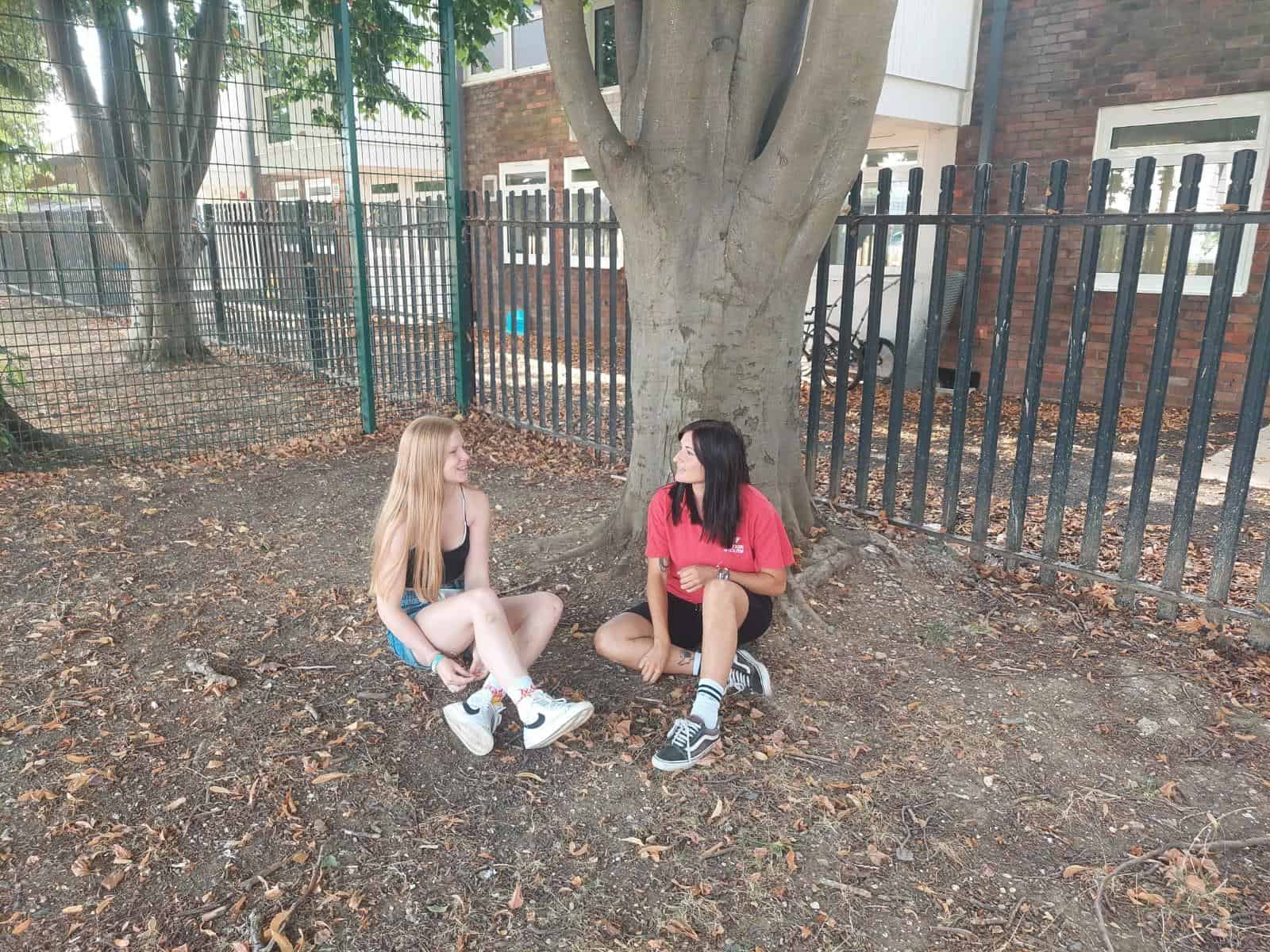
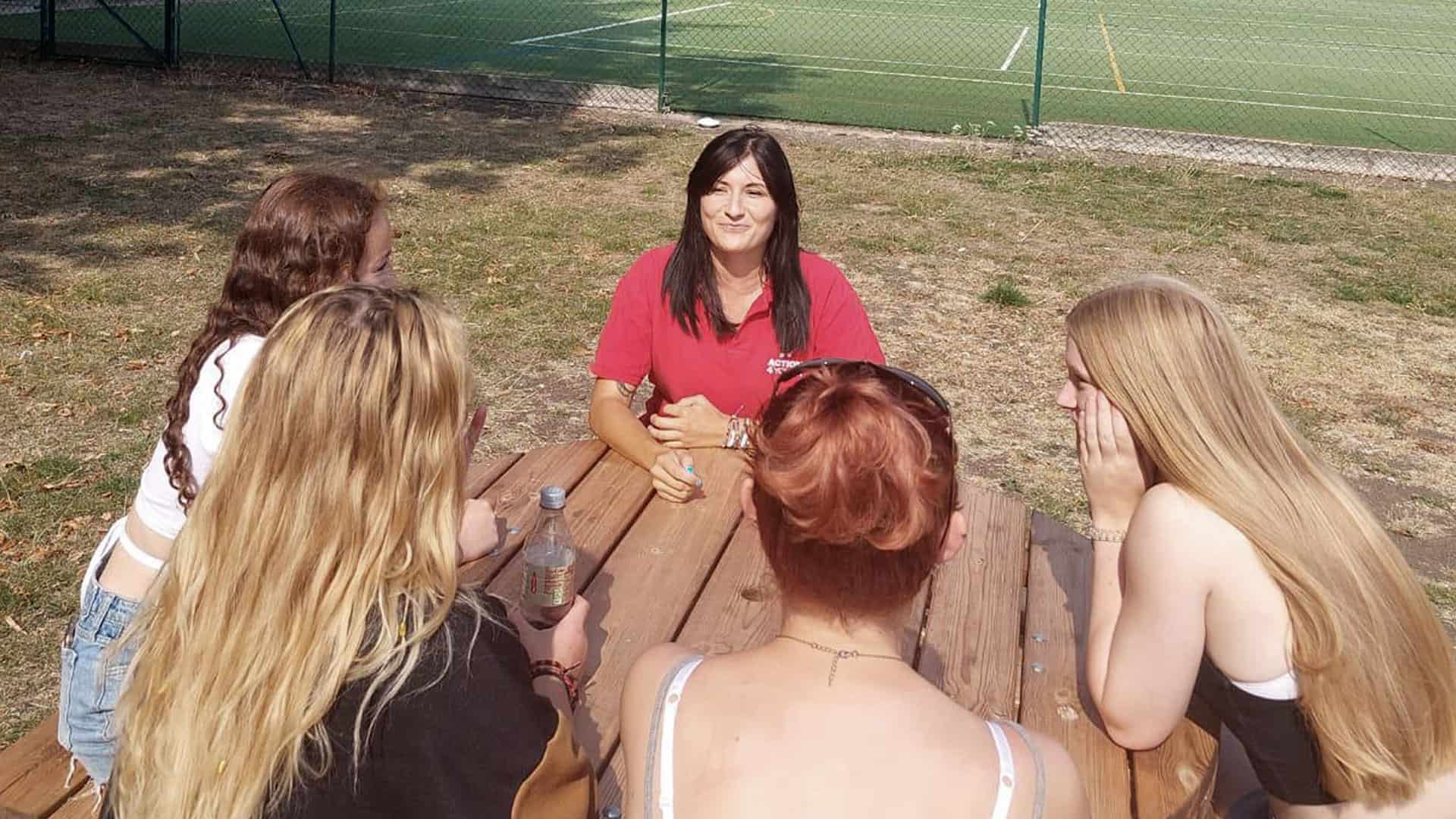
Prevention is sometimes presented as a programme, an intervention or a referral pathway. In reality, it often begins with something much more human: a relationship. It is the youth worker who remembers what a young person said the week before. The instructor who calmly encourages them to try again after stepping away from a challenge. The mentor who gives them space to talk without immediately judging or labelling them. The adult who notices that they are quieter than usual and takes the time to ask why.
These moments can be difficult to measure in isolation, but together they create trust. And trust makes it more likely that a young person will ask for help, accept support or believe that change is possible.
Local youth charities can build these relationships because they are rooted in the communities they serve. They understand the local context, work alongside schools and other services, and often remain present as a young person’s circumstances change. That consistency matters. Young people do not experience their lives as a series of separate services. Their confidence, friendships, family circumstances, education, wellbeing and hopes for the future are all interconnected. The support around them must recognise that too.
The right support will not look the same for every young person
There is no single model of prevention that will work for everyone. For one young person, a school residential or outdoor learning experience may provide a first opportunity to spend time away from home, contribute to a team or discover they are capable of more than they thought. For another, regular youth work may offer a safe space where they can build relationships gradually, spend time with friends and speak to trusted adults when they are ready. Some young people may need more targeted support. They may be at risk of exclusion, exploitation, involvement in crime or becoming disconnected from education. A structured programme combining mentoring, learning and practical experiences can help them understand risk, develop resilience and make safer choices. Others may need help to raise their aspirations, recognise their strengths and imagine a future that currently feels out of reach.
All of this is prevention. It is not about assuming that every young person is at risk or treating ordinary challenges as a crisis. It is about recognising that needs vary, circumstances can change quickly and timely support can stop difficulties from becoming more deeply entrenched.
Local charities can respond with a level of flexibility that larger systems find difficult. They can provide universal opportunities while also identifying when a young person might benefit from more focused help. They can work alongside schools, families, local authorities, police, health services and other community organisations, connecting different parts of a young person’s life.
Activities are often the starting point, not the whole story

When people see young people climbing, canoeing, cooking, creating something or taking part in a group challenge, it can be easy to focus only on the activity. But the activity is often the vehicle for something deeper.
A climbing wall can become a place where a young person learns to manage fear and trust someone holding the rope. A canoeing session can teach communication, patience and what happens when people work together. A residential can allow a young person to form new friendships, take responsibility and experience a sense of independence.
Even getting something wrong can be valuable when it happens in a supportive environment. Young people learn that frustration can be managed, that setbacks do not have to define them and that asking for help is not a sign of failure.
These experiences help young people build confidence, resilience and belonging. They provide opportunities to see themselves differently: not as the pupil who struggles, the young person who is causing concern or the one who never joins in, but as someone who can contribute, learn and succeed. That change in identity can be powerful. Early intervention should not only focus on the risks we want young people to avoid, but it should also help them recognise who they can become.
Stronger communities require places where young people belong
Belonging is not a soft or secondary outcome. When young people feel connected to their community, have positive relationships and believe that they matter, they have firmer foundations from which to navigate challenges. They are more likely to participate, seek support and make choices that protect their future.
Safe spaces for young people also benefit the wider community. They create opportunities for different generations to understand one another, strengthen relationships between families and local organisations, and help communities respond to emerging needs before they become crises. This is particularly important at a time when many young people face uncertainty about the future. They are growing up amid rapid technological change, pressure on family finances, concerns about mental health and fewer opportunities to gather independently in safe, welcoming places.
Local youth charities cannot remove all those pressures. But they can ensure young people do not have to navigate them alone.

Partnerships must begin before a crisis point
No youth charity can build stronger communities by itself. Schools see changes in attendance, behaviour and engagement. Families understand what is happening at home. Health professionals, local authorities and police hold other parts of the picture. Businesses can provide skills, opportunities and insight into the world of work. Community organisations bring local knowledge and trusted relationships. Each has an important contribution to make.
The strongest response comes when these organisations work together around the whole young person, rather than waiting for needs to fit neatly within a particular service or funding stream. For this to happen, local youth charities need to be treated as strategic partners. They should be involved in shaping local priorities, not simply commissioned to deliver a predetermined activity after decisions have already been made.
They also need sustainable investment. Relationships take time to build, and effective prevention does not always produce an immediate or easily visible result. Its success may be the exclusion that did not happen, the crisis that did not escalate or the young person who remained connected because someone was there at the right moment.
Short-term funding makes it harder to retain experienced staff, plan confidently and provide the continuity on which trusted relationships depend.
Investing in young people strengthens all of us
Building stronger communities is not only about responding effectively when things go wrong. It is about creating the conditions in which more people can thrive. That means ensuring young people have trusted adults, safe spaces and opportunities to discover their strengths. It means providing targeted help when risks are increasing, while also investing in the everyday experiences that build confidence, relationships and belonging.
Above all, it means seeing young people not simply in terms of the difficulties they may face, but as valued members of their communities with ideas, abilities and potential.
Local youth charities see that potential every day. They work in the space between home, school, public services and the wider community. They build relationships that help young people engage with support, connect organisations that might otherwise operate separately and create opportunities for young people to make positive choices. Their work should not be viewed as an optional addition to stronger communities. It is one of the foundations on which those communities are built.

Benedicta Morrow
CEO
Action4Youth
About the author
Benedicta Morrow is CEO of Action4Youth, a Buckinghamshire and Milton Keynes charity supporting children and young people to thrive through youth work, outdoor learning and early intervention programmes.