By Davie Johns, Business Development Manager
1st September 2026
Key takeaways
- Enrichment should begin with clear outcomes, ensuring activities support pupils’ development rather than simply adding more opportunities.
- Schools should plan enrichment across the pupil journey, creating purposeful progression through experiences, skills and increasing responsibility.
- Reviewing who participates helps schools identify barriers and ensure enrichment opportunities are genuinely accessible to all pupils.
- Well-designed enrichment can support wider priorities including confidence, belonging, wellbeing, attendance, teamwork and personal development.
- External partners should understand each school’s pupils, context and priorities before designing experiences around the outcomes required.
The publication of the Department for Education’s new Enrichment Framework provides schools with a useful opportunity to step back and consider the experiences pupils receive beyond their everyday lessons.
Most schools already offer enrichment in many forms: clubs, trips, performances, sport, leadership, volunteering, outdoor learning and residentials. The challenge is not necessarily to add more. It is to make sure these opportunities form a coherent offer that reflects the school’s values, responds to pupils’ needs and contributes to clearly understood outcomes.
The framework sets out eight benchmarks for schools and colleges. These include ensuring that enrichment is strategically aligned, broad, accessible, shaped by the school community, delivered through effective partnerships and focused on outcomes.
Start with the purpose of enrichment
This shifts the conversation from “What activities do we offer?” to more useful questions. “What do we want pupils to learn or experience?”, “Which year groups or groups of pupils currently have fewer opportunities?”, “How does enrichment support priorities such as confidence, belonging, attendance, wellbeing or personal development?” and “How will we know whether an experience has made a difference?”
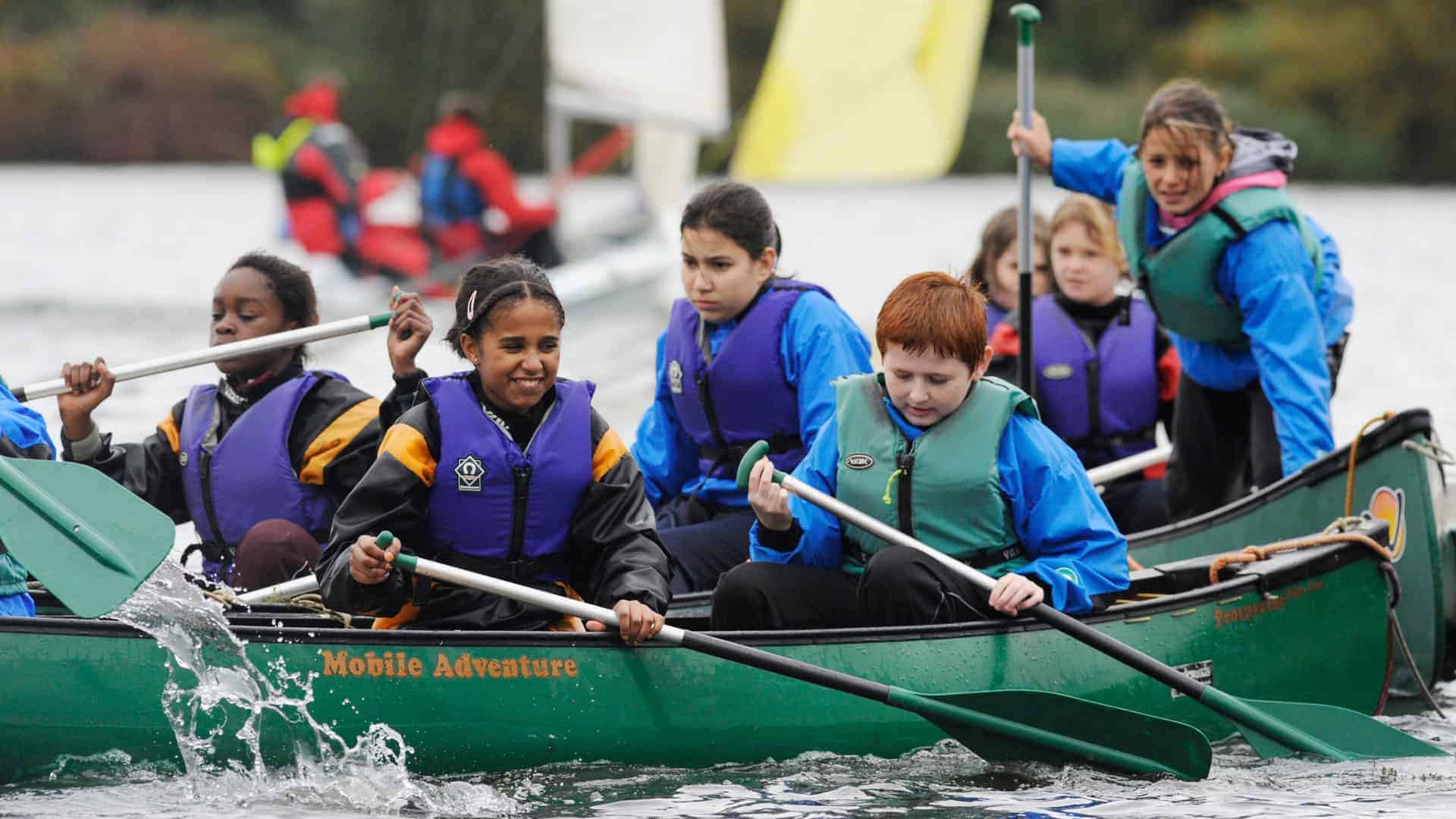
For example, an outdoor activity day can be much more than an enjoyable day away from school. For pupils approaching a transition, it can create opportunities to form new relationships and encounter unfamiliar situations together. For an established year group, it can reveal patterns of communication, leadership and teamwork that are not always visible in a classroom. For pupils who lack confidence, completing a challenge can provide a tangible experience of persistence and success.
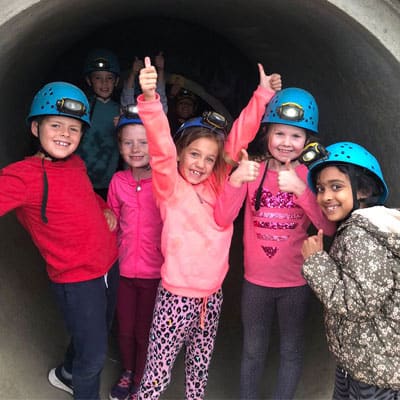
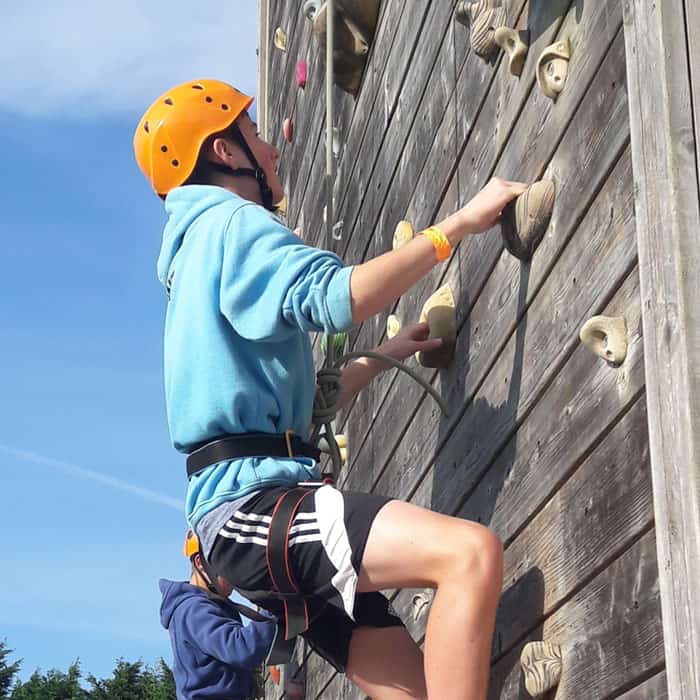

The activity matters, but its purpose matters more. Schools may also find it helpful to map enrichment across the full pupil journey. A residential in one year, a leadership opportunity in another and a transition experience at a key point can form part of a deliberate progression. Pupils can encounter new experiences, develop skills and gradually take greater responsibility.
Accessibility must be part of that planning. It is not enough for an opportunity to be available if cost, confidence, additional needs, transport or a lack of encouragement prevent some pupils from participating. Reviewing participation, not simply provision, can help schools identify who is benefiting and where additional support may be needed.
Use partnerships to strengthen your enrichment offer
Partnerships can make this work more manageable. Schools do not need to provide every element themselves. A good external partner should begin by understanding the school’s aims, pupils and context, rather than immediately offering a standard package.
At Action4Youth, our most useful conversations with schools begin with the outcomes they want to achieve. The right response may be a transition day, a team challenge, a reward experience, an outdoor-learning day or a residential. Its design should follow its purpose.
Turning the Enrichment Framework into action
The new framework should not be seen simply as another document to respond to. It is an opportunity to make enrichment more intentional and to ensure that experiences beyond the classroom contribute meaningfully to pupils’ development.
A sensible first step is to map what already exists, identify who participates and agree one or two priorities for improvement. From there, schools can build an offer that is not only broad, but purposeful, accessible and connected to the young people they want their pupils to become.
Ready to make enrichment more purposeful? Download our free Enrichment Framework Toolkit to review your current offer, identify gaps and plan meaningful experiences for every pupil.

Davie Johns
Business Development Manager
Action4Youth
About the author
Davie Johns is Business Development Manager of Action4Youth, a Buckinghamshire and Milton Keynes charity supporting children and young people to thrive through youth work, outdoor learning and early intervention programmes.